
Why Page Speed is Important
With quick page speed, you can load faster, keep visitors longer, and boost conversions. Discover why speed can make or break your success.
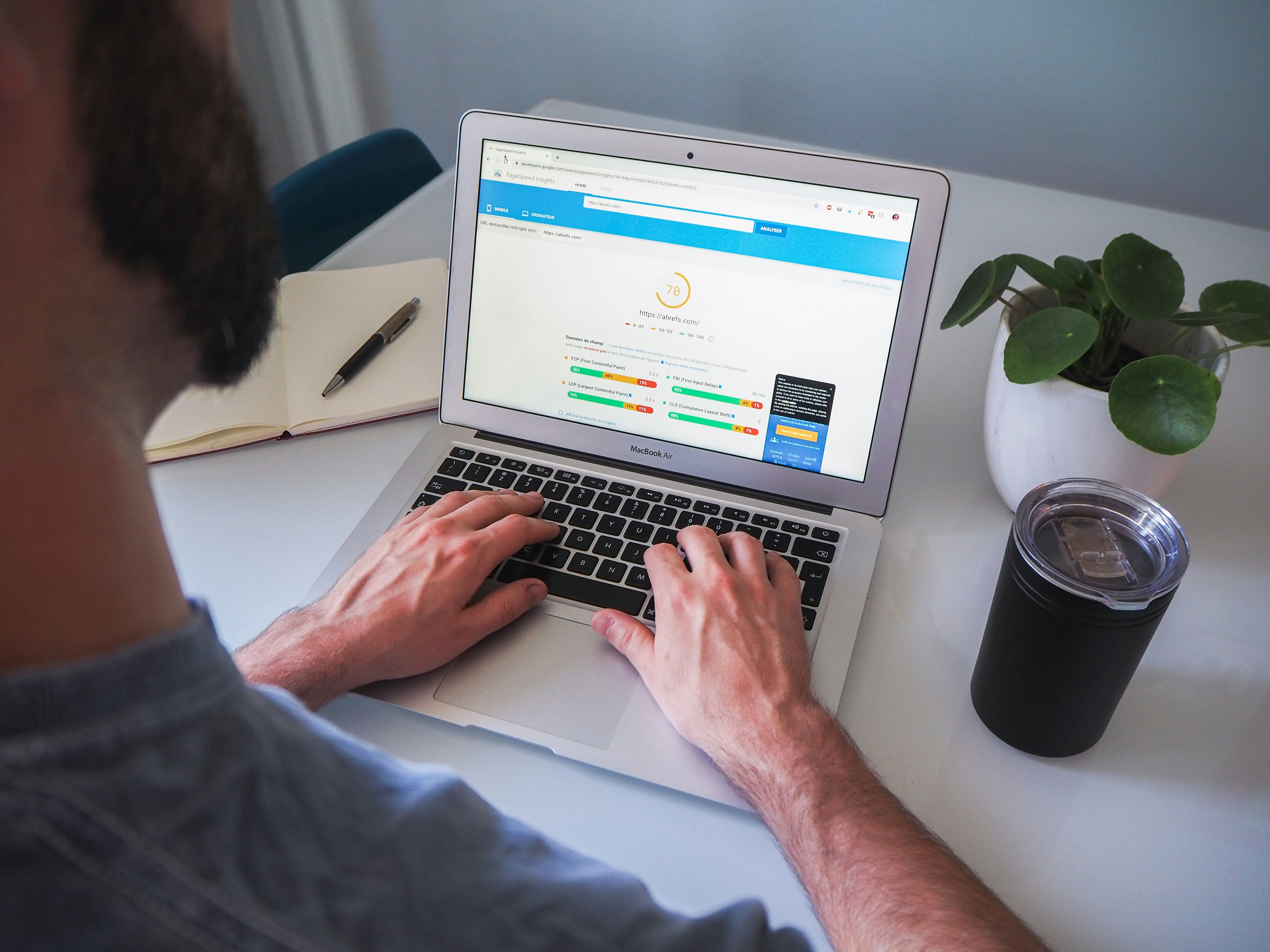
Whirling circles. Annoying dots. Tortoise-speed progress bars. They’re not just minor inconveniences—they’re silent deal-killers. Everyone hates buffering and loading, especially when they’re eager to find information, shop, or complete a task online.
In fact, we hate it so much that 79% of users who are dissatisfied with page performance are less likely to buy from a site. (That’s absolutely massive.)
That’s not just a statistic, but it’s a warning sign for businesses.
Key Takeaways:
- Speed enhances user experience by reducing frustration and keeping visitors engaged until they convert.
- Fast-loading pages boost SEO by improving search rankings and allowing search engines to crawl more of your site.
- Mobile performance matters because slow pages drive shoppers away before they complete a purchase.
Stop losing leads to slow pages. Launch your fastest site ever today.
What Is Page Speed?
Page speed refers to how fast the content of a web page loads and becomes ready for user input. It’s often measured using speed metrics, including:
- Largest Contentful Paint (LCP)
- First Input Delay (FID)
- Cumulative Layout Shift (CLS)—collectively known as Core Web Vitals.
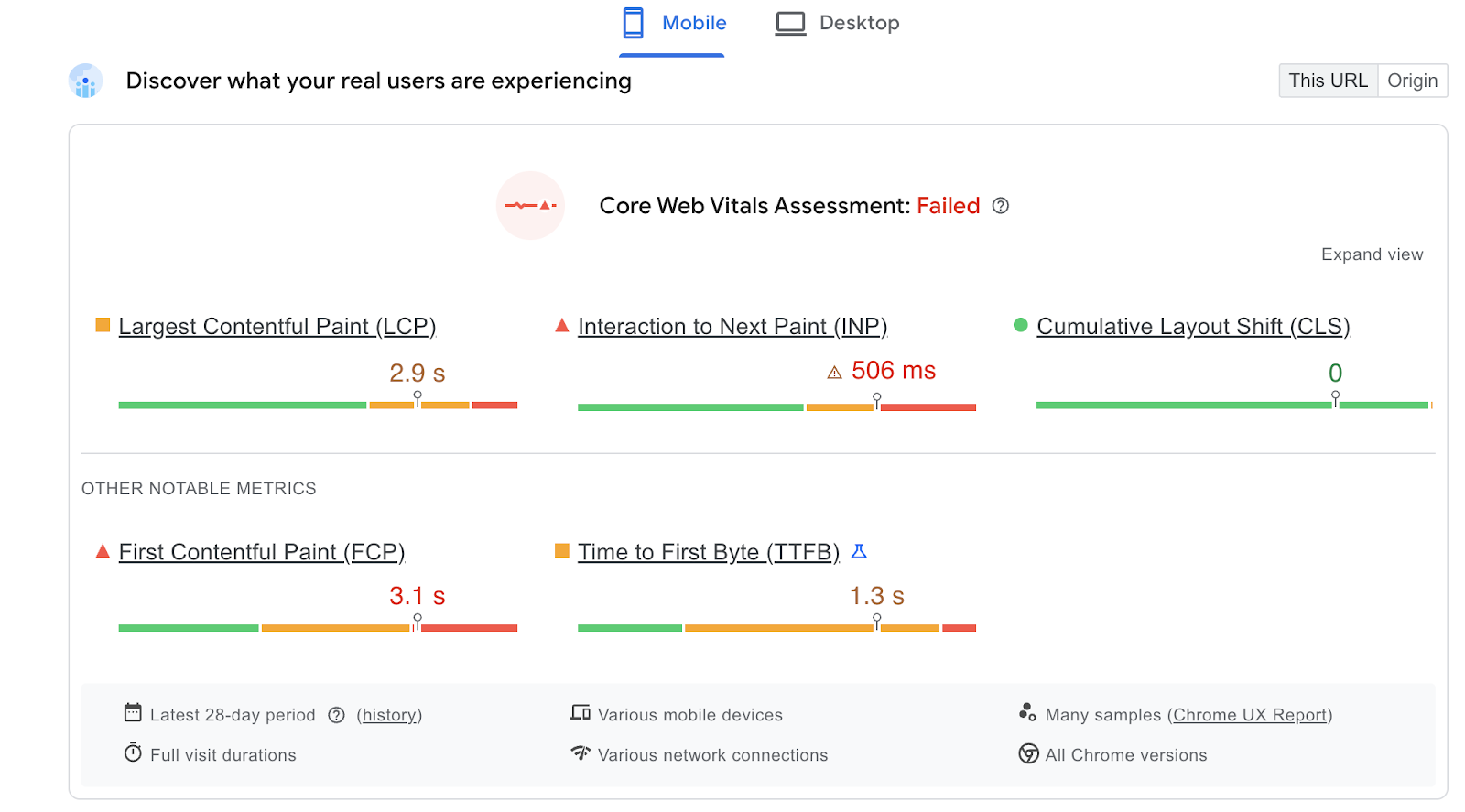
A Core Web Vitals assessment tells you if your site is delivering a good page speed experience to visitors.
Page load speed isn’t just about a single number—it’s about the entire page becoming usable in the shortest possible load time. This includes everything from the first visual element appearing to the point where a user can interact without noticeable input delay.
Why Page Speed Is Important for SEO
Whirling circles. Annoying dots. Tortoise-speed progress bars.
Everyone hates buffering and loading.
In fact, we hate it so much that 79% of users who are dissatisfied with page performance are less likely to buy from a site.
(That’s absolutely massive.)
Page speed interrupts streams of consciousness and trains of thought that may otherwise have taken buyers straight to checkout, it gives them a shot of annoyance in an otherwise sunny day, it makes you look unprofessional…
But that’s not all.
Google has indicated site speed (and as a result, page speed) is one of the signals used by its algorithm to rank pages. And John Meuller, Senior Webmaster Trends Analyst at Google, has defined the magic number as just two seconds. Any page that takes longer than that to load will be penalised by Google.
Why? Here’s the reasoning, straight from the search engine:
“We’re seeing an extremely high response-time for requests made to your site (at times, over 2 seconds to fetch a single URL). This has resulted in us severely limiting the number of URLs we’ll crawl from your site.” – Google
Put simply, the faster your site loads, the faster it’ll get to #1.
A slow page speed means that Google and other search engines are able to crawl fewer pages using their allocated crawl budget (yes, apparently they have a budget). This means your indexation could be negatively affected, leaving you lagging behind the competition.
How Page Speed Impacts Conversions
Slow page load speed kills conversions. According to a Google study, over half of users will leave if the page takes more than three seconds to load, and every extra second of delay can cut conversions by about 12%. That means speed matters not just for rankings but also for revenue.
When page elements like images or forms appear slowly, users experience “interruption friction,” which breaks their focus. This input delay can happen even if the page looks loaded—another reason to monitor web vitals metrics beyond just visual completion.
Amazon famously calculated that a one-second increase in page load could cost it billions annually. While your business might be smaller, the proportional loss can be just as painful.
In short, improving page load time is one of the easiest ways to lift your bottom line.
Mobile Experience and Core Web Vitals
And all of this bad news is made 10x worse when you look at it on mobile.
Generally, mobile sites lag behind desktop sites in engagement metrics, including average time spent, pages per visit, and bounce rate. For retailers, this can be costly since 30% of all online shopping purchases now happen on mobile phones. And 79% of dissatisfied shoppers with web performance say they’re less likely to shop from the same site again. Slow mobile pages lead to lost sales and higher bounce rates.
For competitive web performance, prioritize optimization. This ensures a good page speed score while boosting both conversions and rankings.
Don’t waste time on slow, clunky editors. See how fast Convertri really is.
What Slows Down a Website?

Many factors can hurt site speed and increase page load time. Common reasons include:
- Oversized images – Large, uncompressed image files can slow page load times.
- Uncompressed files – CSS, JavaScript, or HTML files that aren’t minified or compressed take longer to load.
- Heavy page elements – Large background videos, animations, or media can overwhelm browsers.
- Third-party scripts – Ad trackers, analytics tools, or social media widgets often delay critical content loading.
- Poor server performance -A perfectly optimized site will load slowly on a sluggish server.
- Lack of caching – Visitors reload every asset on each visit without browser or server caching.
- Font delays – Web fonts that load slowly can delay text rendering, increasing input delay.
- Mobile unoptimization – Pages not tailored for mobile devices often load more slowly and frustrate users.
- No Content Delivery Network (CDN) – Without a CDN, global visitors may experience slow load speeds due to long distances from the server.
Identifying these bottlenecks through page speed analysis tools is the first step. It’s because you can’t fix what you haven’t measured.
How to Measure Page Speed
Enough with the bad news! What can you do about it?
Well, the most important step to take is increasing your page load speed. First of all, you need to find out what it is (and how big a problem you’ve got). Here’s how:
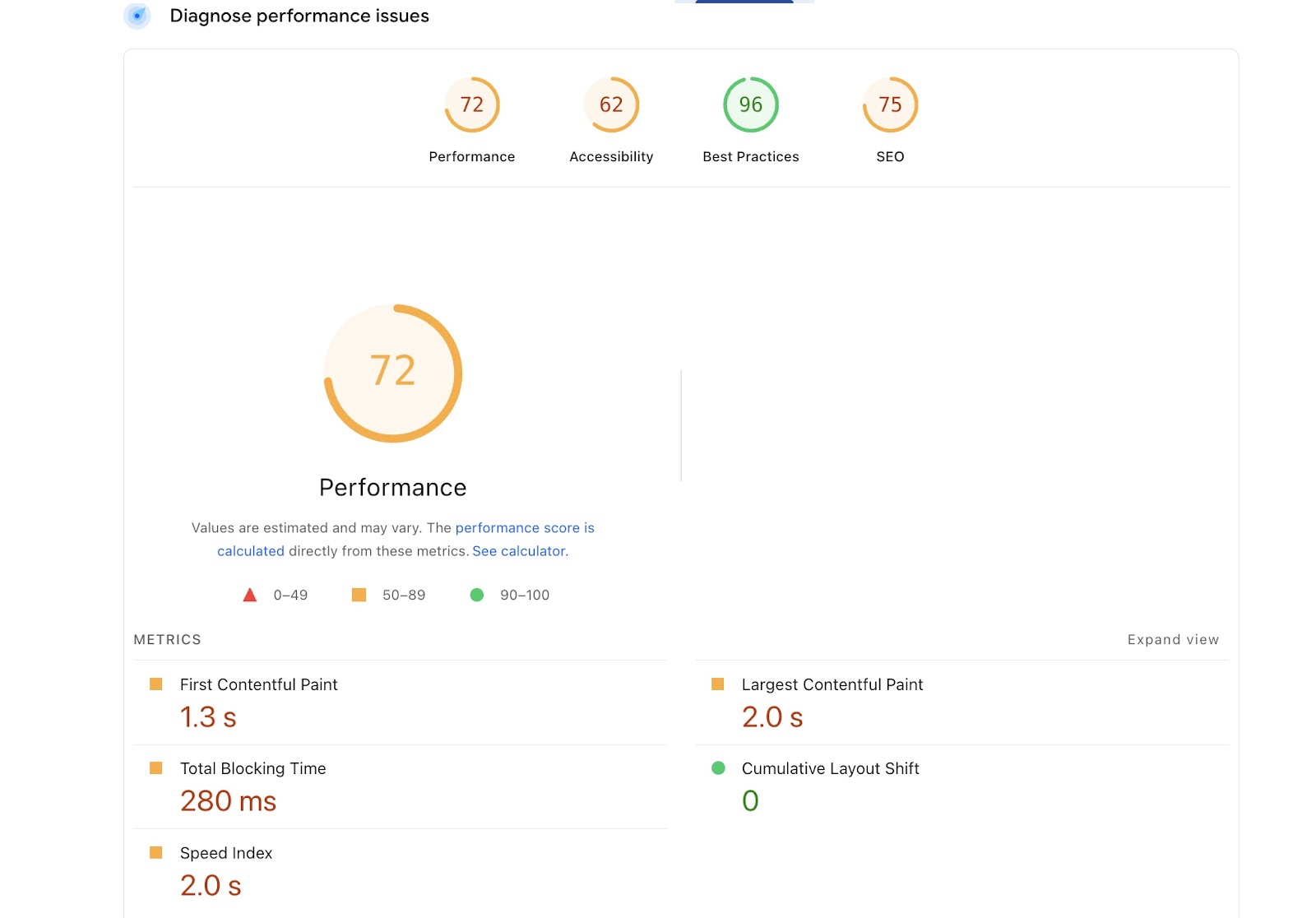
- Enter your website URL at PageSpeed Insights.
- Click Analyse.
- View your stats on desktop and mobile by clicking on the tabs.
How to Improve Page Speed
Google will grade your website’s page speed and optimise its content.
What’s your score? If it’s less than optimal, don’t panic – here’s how to improve page load speed:
Compress
Compress CSS, HTML, and JavaScript files larger than 150 bytes using GZip to reduce their size. Don’t use it on images – find out how to optimise those below.
Minify CSS, JavaScript, and HTML
Clean up that code! Just removing spaces, commas, and other unneeded characters will do wonders for your page speed. Additionally, eliminate code comments, formatting, and unused code. (There are tools if you don’t want to do it by hand.)
Check your cache
Browsers retain a lot of information on web pages, so they don’t have to load the whole thing next time. Using a tool like YSlow, you can view the expiration date for your page’s cache – and if it’s anything less than a year, extend it (unless you’re the type who likes to change their template often).
Optimize images
Resize images to the maximum width they’ll display on the page, always use the best file format (PNGs are best for graphics with fewer than 16 colors and JPEGs are better for photographs), and ensure they’re compressed for the web.
Try the only funnel builder where speed meets stunning design.
Why Page Speed Matters for Funnels and Landing Pages
Every second counts in funnels and landing pages. Slow load times can lead to missed sign-ups or purchases. Since these pages have one goal—conversion—speed directly impacts results.
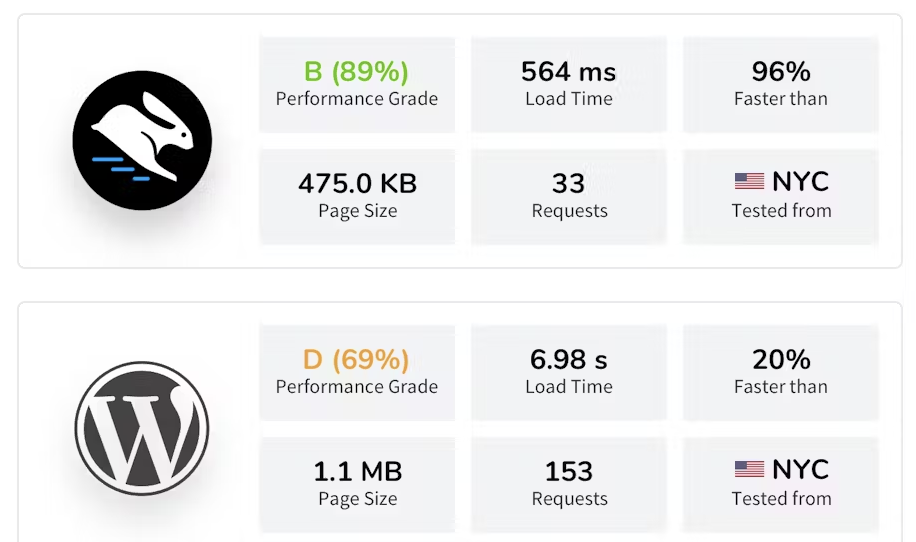
Fast pages mean fewer drop-offs and more sales. Improving load time from five seconds to one second can boost conversions by up to 300%. That’s why tools like Convertri are game-changers.
With Convertri, you get blazing-fast, conversion-ready pages without starting from scratch. You can pick from mobile-ready templates, built for speed and designed to convert.
Convertri is built for speed on both desktop and mobile. It avoids the heavy scripts that slow down other builders, ensuring your traffic isn’t wasted.
Final Thoughts
Fiddly busywork, this is not. Getting into a good habit of optimising your sites now will pay off in the long run, and we’re not exaggerating when we say small improvements like this add up to a huge shift in user experience that will put you on the right side of history.
Convertri’s pages load faster than any other on the web. Our app uses clever compression, image optimisation, and accelerated page technology to make sites load faster and boost your conversion rate… and it all happens when you hit Publish. No coding required.
Try us out here free for 14 days. After all, speed kills – so why lose sales?
Have you followed our tips for a faster loading site? Or do you have any of your own to share? Let us know in the comments!
—————————————