What Are Backlinks and How to Get Them
Incoming hyperlinks from other websites to your own are known as backlinks. Learn what backlinks are and how to generate quality ones.
Are you new to SEO, or do you just want to get a little more traffic? Backlinks will be important. So, what are backlinks?
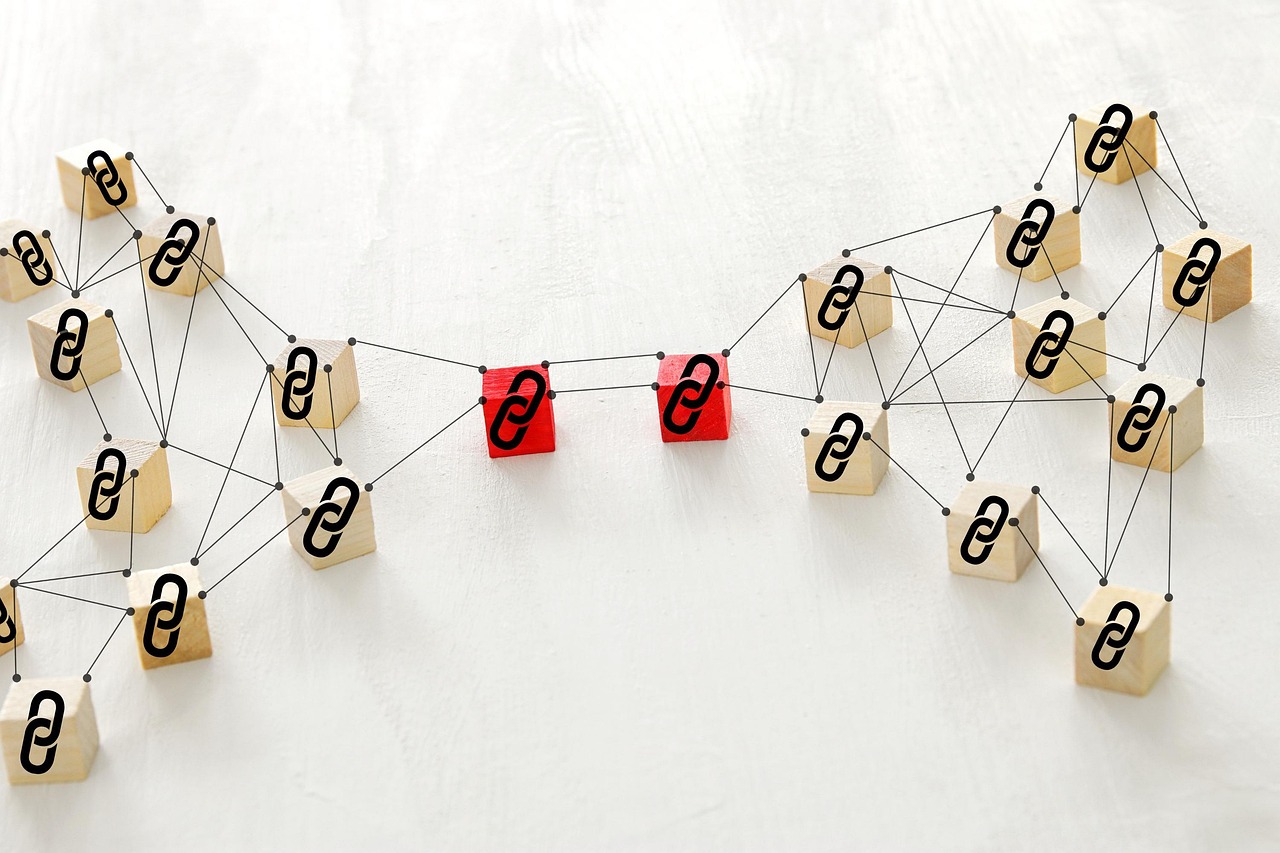
In short, backlinks are links to your site from another one. If they link to your site, then you have a backlink from them. If you link to other websites, they have a backlink from you. This process of acquiring backlinks is often called link building, and it’s a key part of any SEO strategy.
Backlinks are good. You want as many backlinks as possible. Google and other search engines really, really like them – and the more backlinks you have, the more your page can climb the search engine rankings.
Key Takeaways:
- Backlinks are crucial for SEO ranking. This signals to any search engine that your content is trusted by other websites.
- Not all backlinks have equal value. Google favors links from trusted sources over random or low-quality ones.
- There are different types of backlinks with different signals. Always label links correctly to avoid penalties.
Still relying on luck to make sales? Build a funnel that works well.
Why are backlinks important for SEO?
In 2016, Google confirmed what many SEO experts had long believed — that backlinks, along with content, are among the top two ranking factors for websites. But why?
It’s because backlinks are a way that non-human algorithms can understand the authority of a page. The more backlinks you have, the better reputation you probably have, right? If Website A links to Website B, that probably means it’s a trustworthy source. If websites C through Z also link to that website, it’s probably a very trustworthy site that many people see as a reliable source of information.
This is why having a strong link-building strategy is crucial. It helps you earn quality external links that boost your site’s credibility and improve your search rankings.
In the offline world, say five people who didn’t know each other all recommended a particular restaurant as the best in your city. You’d probably think you would be able to get a good meal there, as multiple individuals would be vouching for it.
Not all backlinks are created equal
Trust is what matters. So while the sheer quantity of those backlinks does matter, the trust and reliability of the backlinking website also matter. So while building backlinks is a good way to make your own site more trustworthy, you have to make sure those sites linking to you are trustworthy themselves. Otherwise, Google gets a bit suspicious.
Just as you would trust a recommendation from a trusted friend or industry expert, Google trusts backlinks from senior, authoritative websites over those from those which are newer or less reliable.
This is why if you manage to get a backlink on Forbes, it will be ten times as valuable as a backlink from johnnynobody.com/blog.
Relevance is also a factor here. If you’re a video marketer with backlinks from two pages, one about video editing and one about farm insurance, chances are the former is more valuable, and Google will weigh the results accordingly. This idea doesn’t just play out on the content of the pages, but right up to the domain level. Google assumes readers of videoediting.com are going to be more likely to click onto a video editor’s website than readers of farminsurance.com.
How traffic factors in
Backlinks from high-traffic web pages are more likely to send you more referral traffic than those from low-traffic web pages – or so says simple maths. But will this translate into Google rankings? Do backlinks from high-traffic pages boost your SERPs more than those from low-traffic pages?
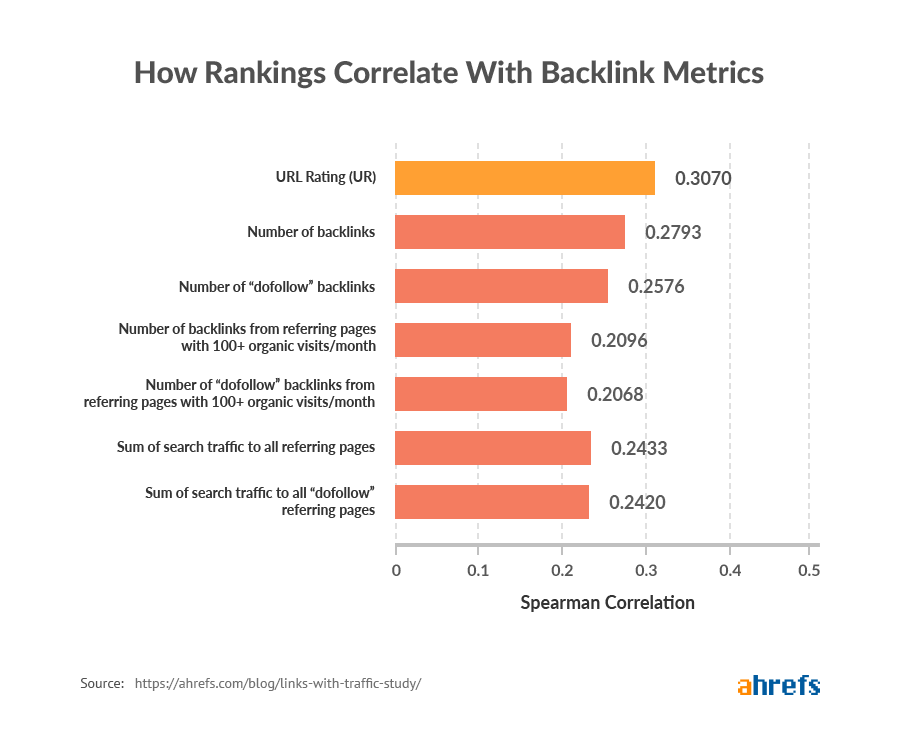
In 2020, AHREFs.com set out on a quest to answer this problem. They took the top-ranking pages for 44,589 non-branded keywords and looked at organic traffic to the pages that link to them. The results were small, but meaningful:
As you can see, there’s a small but noticeable correlation between rankings and backlinks from web pages with a lot of organic search traffic. However, the actual number of backlinks from unique websites and high-authority sources seems to be more important.
Your competitors are already capturing leads while you’re still deciding. Start building your funnel today.
Types of backlinks
We know that all backlinks are not created equal, but to add even more spice to the mix, there are different categories of backlinks you need to know about.
NoFollow
Nofollow links are what to use if you don’t want to vouch for a website, but still need to link to it. For example, if you were writing an article about fake news, you might find it useful to link to an example of fake news without signaling to Google that it’s a reliable source. The rel=”nofollow” attribute guides Google and other search engines to disregard the associated nofollow links.
A nofollowed backlink looks like this:
<a href="https://www.domain.com/" rel=”nofollow”>this is a nofollowed link</a>
Nofollowed links won’t help you rank higher on the SERPs. But in September 2019, Google announced changes to the nofollow attribute, which means this link attribute was again being included in their evaluation of which links to exclude or consider within search page results. Some people believe this could mean Google might pass trust through nofollow links in some instances, so we can’t be sure on this one.
DoFollow
Dofollow links don’t technically exist – they just don’t have the nofollow attribute added. A followed link is one which does pass trust to Google’s algorithm. A followed backlink looks like this:
<a href="https://www.domain.com/">this is a followed link</a>
Sponsored
Meanwhile, a sponsored link is a relatively new addition to the backlink family. It’s used whenever you need to tell Google that a link is sponsored, paid for, or otherwise compensated – and you should always tell Google when this is the case. Say you pay an Instagram influencer to promote your product. If money, or a product or service, has changed hands in return for that link, a rel=”sponsored’ attribute needs to be added.
Be cautious—buying backlinks goes against Google’s Webmaster Guidelines and can hurt your site’s rankings. Using the rel=”sponsored” attribute helps prevent any negative impact from these types of links.”
A sponsored backlink looks like this:
<a href="https://www.example.com/" rel=”sponsored”>this is a sponsored link</a>
UGC
Finally, the UGC attribute indicates to Google that the link was placed by a user, not the website owner. It’s useful for forums and blog comments, and it’s good for telling Google that you’re not responsible for what anyone else says on your site.
A UGC backlink looks like this:
<a href="https://www.example.com/" rel=”ugc”>this is a UGC link</a>
How to get high-quality backlinks

So now we know about the types of backlinks, why backlinks are good, and how they build your reputation – but how on earth do you get them?
There are a few ways to do it. Like most things on the internet, you’ll get better results the more work you put in. Let’s review some of the popular ways to get backlinks that can boost your website’s search engine ranking:
Guest posting
When you write a guest post on someone else’s blog, you (should) get a byline which includes your name, bio, and a link to your socials. If you can work in a link to your blog as well, that’s a good quality backlink – as long as the site you’re posting on is as high authority as possible.
Submit your site to a directory
No matter your industry, somebody’s probably compiled a list of all the sites or sources in that niche that people can refer to. Search for <yourniche> intitle:”directory” to find lists, and see if you can submit your site.
Steal your competitors’ ideas
…Ethically, of course. SEMrush’s backlink gap tool helps you discover untapped backlink opportunities by comparing your domain against your main competitors to find out where they’re getting linked from, and you’re not.
Don’t just build a funnel. Build one that actually sells.
Common backlink mistakes to avoid
Backlinks can seriously help your SEO, but only if you’re doing them right. A few wrong moves, and instead of boosting your site, you could actually hurt its rankings.
Here are some common backlink slip-ups you’ll want to avoid:
- Buying Cheap Backlinks. Paying a few bucks to generate backlinks overnight is tempting. But links from sketchy, irrelevant, or spammy websites can set off red flags.
- Overusing the Same Anchor Text. Search engines detect unnatural backlink profiles when every backlink uses the exact same keyword phrase. Mix it up with branded terms, generic phrases (“click here”), and more natural variations.
- Getting Links from Unrelated Sites. Let’s say you run a fitness blog. A backlink from a gardening site probably won’t help much and could even raise eyebrows. Relevance matters.
- Chasing Numbers Instead of Authority. More backlinks don’t always mean better SEO. Always aim for credibility.
- Not Keeping an Eye on Your Profile. Think of your backlink profile like your reputation online. Check it regularly. If you spot spammy or low-quality links pointing to your site, use Google’s disavow tool to keep them from dragging you down.
Building backlinks isn’t about shortcuts; it’s about building trust. Stay focused on getting relevant, high-quality links over time, and your SEO will thank you in the long run.
FAQs about Backlinks
What is an example of a backlink?
For instance, a backlink to your site occurs when a widely-read blog publishes an article and cites your website as a source by including a link.
Here’s what it might look like in practice:
“For more tips, check out this complete guide to email marketing.” That link points to your site? That’s a backlink.
How do backlinks improve SEO?
Backlinks are viewed by search engines as signals of trust and credibility. The more quality websites they have, the more valuable your content appears.
How do I get backlinks from high-authority websites?
Getting links from trusted, high-authority sites takes effort, but it’s worth it. Here are a few proven strategies:
- Create high-value content – Write blog posts, guides, or research that others naturally want to link to.
- Guest blogging – Write articles for well-known blogs or industry publications in exchange for a link back.
- Build relationships – Connect with influencers, journalists, and bloggers in your niche.
- Use HARO (Help A Reporter Out) – Journalists often need expert quotes. Provide value, and you may land a backlink from a major media site.
- Fix broken links – Find broken links on trusted websites and suggest your article as a replacement.
What are toxic backlinks?
Toxic backlinks come from spammy, irrelevant, or shady websites. Instead of helping your search engine optimization method, they can hurt it, sometimes leading to ranking drops or even penalties from Google.
Common sources of toxic links include:
- Link farms or PBNs (private blog networks)
- Irrelevant, low-quality directories
- Spammy comment sections or forums
- Hacked sites
How to deal with them:
- Audit your backlinks using tools like Google Search Console, Ahrefs, or SEMrush.
- Identify suspicious links – Look for some low domain authority, irrelevant content, or obvious spam.
- Disavow the bad links – If you can’t get the links removed manually, use Google’s Disavow Tool to tell search engines to ignore them.
- Avoid future issues – Never buy backlinks or work with “SEO experts” who promise hundreds of links overnight.
Earn quality links
While Google rankings are influenced by the quantity of backlinks, their quality is ultimately more important. Focus on earning links from trusted websites and avoid shortcuts that could lead to penalties. A smart backlink strategy can push you far ahead of competitors who are still playing the numbers game.
Need a fast, SEO-friendly way to turn visitors into leads? Try Convertri to build SEO-optimized landing pages. It’s built for speed, mobile performance, and SEO, so your landing pages don’t just look good, they rank better too.
Got some more backlink building tips? What do you think of ours? Let us know in the comments!