Video Marketing Trends: What’s Working Today (with Examples)
Videos keep ruling the digital marketing landscape. But how people create, watch, and engage with video content has changed over the years. What worked three to four years ago may not work now, especially with the domination of short, mobile videos that deliver content straight to your screen.
You’re missing out on high visibility, robust engagement, and record-breaking conversions if you’re not prioritising video content in your campaigns. Whether you want to connect with your target audience, boost rankings on search engines, or increase brand awareness, effective video marketing is now an essential part of your work.
But what formats and trends work today? With many new formats, technologies, and channels to choose from, focusing your energy on one or a few trends makes all the difference. Let’s explore them here.
Key takeaways
- Short-form video content on platforms like TikTok dominates attention spans.
- Vertical-first formats must be optimised for mobile devices to ensure a seamless customer journey.
- AI-assisted video production involves using AI tools to scale video creation without losing human creativity.
- Interactive & shoppable videos turn viewers into active participants with clickable links.
- Authenticity & UGC involve using raw footage and behind-the-scenes looks to tell a compelling brand story.
Explore everything in Convertri for free!
What is video marketing?
Video marketing involves using a video to promote and market your product or service, educate your consumers, and increase engagement on your social media platforms. Video marketers report that this medium provides the highest ROI of any content strategy.
Why video marketing works
The video marketing statistics are hard to ignore: approximately 82% of global internet traffic originates from online video content. This huge figure alone shows how videos can be a valuable complementary tool in a marketing strategy.
Internet users currently love authentic, relatable stories, and they expect high-quality videos to be uploaded to all social media platforms. And because people prefer watching over reading dense text, more videos in your funnel lead to a higher average watch time and deeper engagement.
1) Short-form videos
What it is
Short-form videos are vertical videos typically 15 to 60 seconds long that deliver high-impact messages quickly.
Why it matters
Short-form videos deliver 2.5x more interaction than long-form content. They cater to shrinking attention spans and are prioritised by the algorithms on TikTok and Instagram Reels.
Example
Brands like Duolingo create humour-driven short clips that turn their playful posts into viral campaigns.
Tools/Platforms
YouTube Shorts, TikTok, Instagram Reels, and Opus Clip (for repurposing).
Common mistake
Failing to include a hook in the first 3 seconds or making the video too salesy rather than entertaining.
Few tips
Follow these steps when creating short-form videos:
- Keep your video under 60 seconds so more users can play your content.
- Use simple language when writing the script for your video. Keep the tone lighthearted and fun throughout the entire video length.
2) Vertical-first content is the norm
What it is
A vertical-first video content is specifically filmed or edited in a 9:16 aspect ratio to fill a smartphone screen.
Why it matters
Most internet users watch video content on mobile devices. Vertical videos have also become the standard format for video content across social media channels, improving user experience and increasing engagement.
Example
Apple’s Shot on iPhone campaign produces high-quality videos that can be optimised for mobile traffic.
Tools/Platforms
Canva Video, CapCut, and InVideo AI.
Common mistake
Using “letterboxing” (black bars) on horizontal videos instead of reframing the raw footage for vertical viewing.
3) Sound-off and captioned viewing
What it is
Silent videos are content designed to communicate a message effectively without audio, using text overlays and captions.
Why it matters
Silent videos make content accessible—you can watch in public without any sound. This sound-off feature and closed captions keep the video engaging.
Example
News platforms like BBC News utilise captions, visual cues, audio descriptions, and sound-off features to ensure their content remains engaging in silent mode.
Tools/Platforms
Rev, Descript, and VEED
Common mistake
Using small, hard-to-read fonts or placing captions where they are covered by platform UI elements (like the TikTok “Like” button).
4) AI-assisted editing and automation
What it is
AI-assisted video production refers to leveraging AI tools to automate editing, scriptwriting, or generating b-roll.
Why it matters
AI tools simplify the video creation process, enabling marketers to make professional-level edits within minutes. Automated editing keeps branding consistent and allocates more time for other important tasks.
Example
Tools like Pika Labs can generate and trim videos, as well as repurpose webinars into short-form videos.
Tools/Platforms
Runway, HeyGen, Sora 2, and Google Veo 3
Common mistake
Relying 100% on AI-generated videos without adding human creativity results in content that feels robotic and disingenuous.
5) User-Generated Content (UGC)
What it is
UGC videos are content created by customers or creators rather than the brand itself, often featuring raw footage and authentic reviews.
Why it matters
Consumers say UGC has a strong impact on their purchase decisions. It fosters trust, drives conversions, and enhances a business’s brand authenticity.
Example
GoPro uses UGC to show how their products are used, transforming their loyal customers into content creators.
Tools/Platforms
Billo, Join Brands, and TikTok Shop
Common mistake
Over-editing UGC until it looks like a polished ad, defeating the purpose of authentic content.
6) Product demos and explainer videos
What it is
Product demos are short, educational videos that break down complex products or services into digestible, value-driven segments.
Why it matters
Explainer videos are still one of the most effective tools in your video marketing strategy. They convey complex ideas into digestible chunks, helping 96% of customers understand how a product or service solves their problems, and 89% are swayed to purchase. They are the workhorse of the middle-funnel, moving prospects closer to a sale.
Example
Slack uses simple animated videos to explain its workflows—targeting tech audiences with easy-to-follow instructions.
Tools/Platforms
Lumen5, Vyond, and Crayo.
Common mistake
Focusing on features instead of the specific benefits that solve the customer’s problem.
7) Personalised and data-driven videos
What it is
Creating personalised video experiences where elements (like the viewer’s name or specific data) change based on who is watching.
Why it matters
Personalised video content drives engagement when it addresses viewers’ needs. Tailored videos let brands connect with their audience on a deeper level.
Example
If you’re using music streaming platforms, Spotify Wrapped is the best example of personalised videos. Spotify releases this every end of the year, complete with your streaming data, including the songs you frequently listened to within the last 12 months.
Tools/Platforms
Pirsonal, Idomoo, and HeyGen
Common Mistakes
- Using outdated data
- Making the personalisation feel “creepy” rather than helpful
8) Webinars and live streaming growth
What it is
Webinars are real-time streams that allow direct interaction through Q&As, polls, and live demonstrations.
Why it matters
The global live streaming market is expected to reach $345 billion by 2030. That’s why doing live videos can help brands engage with audiences and build trust.
Example
HubSpot hosts live webinars and offers valuable insights with product promotions.
Tools/Platforms
StreamYard, Restream, and TikTok LIVE
Common mistakes
- Failing to engage with the chat
- Having poor lighting and audio, which kills the professional vibe
Execute your marketing strategy smoothly now!
9) Shoppable videos and live commerce

What it is
Shoppable videos feature interactive elements, such as clickable links and “Buy Now” buttons, that enable a frictionless purchase.
Why it matters
Shoppable videos walk the thin line between commerce and content. You can purchase products directly from videos without having to exit the website or platform.
Example
Convertri’s Video Player and TikTok Shop are among the platforms that bring shopping and entertainment together in one hub.
Tools/Platforms
Convertri Video Player, Shopify, and Instagram Shopping
Common mistakes
- Promoting products that don’t match the video content
- Failing to demonstrate the physical product clearly
10) Accessibility and inclusivity in video
What it is
This refers to ensuring your video content is usable by everyone, including those with hearing or visual impairments, through sign language, descriptive audio, and high-contrast text.
Why it matters
Videos with sign language, descriptive audio, and subtitles make compelling video content available to a wider audience, improving brand image.
Example
Microsoft adds accessibility features in its marketing campaigns to make sure all audiences can enjoy and engage with its videos.
Tools/Platforms
Rev, Adobe Premiere (Auto-Captions), and AudioDescribe
Common mistake
Viewing accessibility as an afterthought rather than integrating it into the initial video production plan.
11) Smarter measurement and video Search Engine Optimisation (SEO)
What it is
This refers to optimising your video titles, descriptions, and metadata to rank in Google and video platforms like YouTube.
Why it matters
SEO doesn’t just apply to written content—videos are also tracked in terms of watch time, conversions, and engagement rate, so web pages rank high in search engines.
Example
Brands optimise video titles, thumbnails, and descriptions for their video content to be more visible on Google Search and YouTube.
Tools/Platforms
TubeBuddy, VidIQ, and Google Search Console
Common mistake
Using generic file names (like final_video_v2.mp4) instead of keyword-optimised ones
12) Repurposing across multiple channels
What it is
This refers to taking a single video (like a long-form webinar) and slicing it into short-form content for various platforms.
Why it matters
Repurposing videos for various channels maximises the return on investment from each content piece. A single webinar can be chopped into short clips and microvideos and embedded into blogs for different platforms.
Example
Canva turns its tutorials into bite-sized videos for LinkedIn, YouTube Shorts, and Instagram.
Tools/Platforms
Munch, Vidyo.ai, and Descript
Common mistake
Posting the exact same file to every platform without adjusting the aspect ratio or captions
13) LinkedIn and B2B Video Expansion
What it is
These are professional-grade video content designed for decision-makers, focusing on thought leadership and industry insights.
Why it matters
Video marketers are turning to LinkedIn for B2B communication for its professional audience and thought leadership. They can post educational clips and product demos to generate interest and leads.
Example
Consulting firms post explainer videos and behind-the-scenes clips to make their brand relatable to professional audiences.
Tools/Platforms
LinkedIn Native Video, Vimeo, and Wistia
Common mistakes
Making videos too formal or stiff. LinkedIn audiences still want to see the human creativity behind the brand.
14) Human creativity + AI collaboration
What it is
This is a strategic partnership in which AI handles editing, resizing, and transcription while humans focus on the brand story and emotional hook.
Why it matters
AI can automate video creation, but humans make it more authentic. When you create video content, combining emotional storytelling with automated editing is key to an effective video.
Example
Brands use AI to generate templates, but the creative teams write the script to balance scalability and emotion.
Tools/Platforms
Adobe Firefly, Jasper AI (for scripts), and Final Cut Pro (with AI features)
Common mistakes
- Failing to fact-check AI-generated scripts
- Letting AI make hallucinated claims about your product
How to Use Video in Your Funnels
To leverage video effectively, you must place it where it impacts the customer journey most:
Top of Funnel: Use YouTube Shorts and Instagram Stories to drive traffic.
Middle of Funnel: Embed explainer videos or product videos on landing pages.
Bottom of Funnel: Use personalised video experiences in email follow-ups to close the sale.
| Video Type | Best Platform | Goal |
| Short Form | TikTok / Reels | Awareness |
| Live Streaming | LinkedIn / FB | Trust & Authority |
| Long Form Videos | YouTube / Webinars | Education |
| Video Ads | Google Ads | Conversions |
Video marketing KPIs to track
To keep your video marketing strategy profitable, focus on these five essential video marketing KPIs. Tracking these ensures your video content moves the needle on your digital marketing goals.
1) Average watch time & completion rate
This is the total minutes watched and the percentage of viewers who reached the end. High watch time signals to social media platforms that your content is valuable, boosting your organic reach.
Goal: For short-form videos, aim for a 70% completion rate.
2) Click-Through Rate (CTR)
CTR is the percentage of viewers who clicked a clickable link or CTA button. This measures how effectively your video drives the customer journey. It is the most critical metric for shoppable videos.
3) Play rate
This is the number of people who played your video, divided by the total number of page visitors. A low play rate means your thumbnail or video placement needs work. In the digital landscape, visibility is everything.
4) Conversion rate (CR)
Conversion rate is the percentage of viewers who took a specific action (like a purchase) after watching. This is the North Star for video marketers. It proves the ROI of your video production process.
5) Social shares
This refers to how many times users shared your video to their own feeds. Shares are the ultimate social proof. They indicate that your brand story resonated deeply with your target audience.
How Convertri powers your video strategy
Convertri is a conversion engine designed to handle the heavy lifting of modern video content. Here’s how Convertri helps:
Ultra-fast native video player
Standard video embeds (like YouTube or Vimeo) can add up to 2 seconds to your page load time. Convertri’s built-in player uses packet-based delivery, adding only 0.2s to your load time. This ensures your vertical videos and short-form content play instantly, even on shaky mobile connections.
True mobile-specific editing
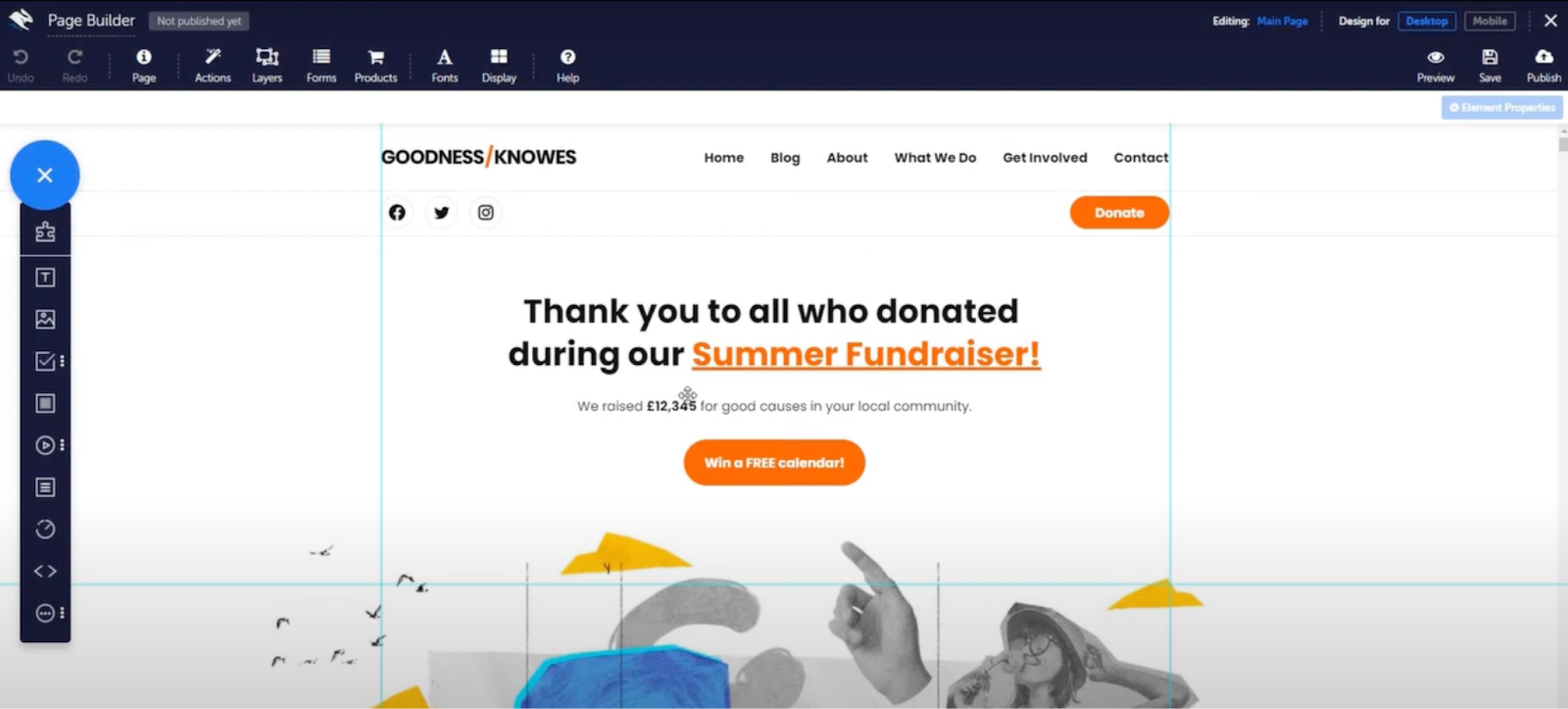
Convertri gives you a separate mobile editor. This allows you to create a mobile-first format where the vertical video is the centerpiece, ensuring a flawless customer journey.
Interactive video hooks
Convertri allows you to trigger page events based on specific watch time. You can apply the shoppable videos trend by making a “Buy Now” button appear the exact second you mention the price in your product videos. You can also “gate” content, requiring a lead’s email after they’ve watched the first 30 seconds of an explainer video.
Dynamic Text Replacement (DTR)
Pair your personalised video experiences with matching page copy. If your video ads target “Real Estate Agents,” DTR can automatically change your landing page headline to mention “Real Estate” the moment they click through, creating a seamless, high-converting experience.
See how Convertri works.
FAQs
1. Why are short-form videos a hit with the masses?
These videos fit perfectly with how people consume online video content—entertaining, mobile-friendly, and quick.
2. Which social media platforms are best for video marketing?
Use Instagram Reels, LinkedIn, TikTok, and YouTube Shorts to market your videos.
3. How long should marketing videos be?
Sixty seconds are enough for short videos to be posted on social media. Longer videos, such as explainers, should be between three and 10 minutes long.
4. Does video increase brand awareness?
Yes, they do! People become more aware of your product or service when you post more videos.
5. How do I improve my video SEO?
Add relevant keywords, use captions, and optimise thumbnails to help search engines see and rank your content.
Make Your Video Strategy Work Double-Time
Videos are more than marketing tools—they’re one of the foundations of modern digital marketing strategies. Brands must adapt to new marketing trends to keep standing out and reach audiences amid tight and tough competition.
Use these video marketing trends in your campaigns today to market your products and services. And if you need a funnel builder to reach a bigger audience, Convertri is the way to go!
Build your funnel in minutes and unlock the best from your marketing strategy with us.