Sales Pipeline Vs. Sales Funnel: How To Tell Which One Your Business Needs To Scale!
Sales pipeline vs. sales funnel – these two terms often get mixed up, leaving business owners and sales teams confused about which one really drives growth. The truth? Both play a powerful role in your sales process, and knowing how they work together can help you get more qualified leads, improve conversion rates, and close deals faster.
You’ve heard of sales pipelines and sales funnels, but they seem interchangeable. When you say “sales pipeline”, does that mean the same as “lead funnel”? How do these models fit into your sales and marketing strategy?
Using the wrong model can mean missed leads, wasted marketing budgets, and frustrated sales reps. A funnel-focus without a clear process can cause prospects to slip away, while a strict pipeline could blind you to leaks in your funnel.
Let’s break down each concept – sales pipeline and sales funnel – their key stages, metrics, and differences. You’ll learn which approach fits your business or how to use both. Plus, we’ll show how tools like Convertri can turbocharge your funnel-building and conversions along the way.
Key Takeaways:
- Knowing the main differences between a sales pipeline and a sales funnel is key to making your sales process better.
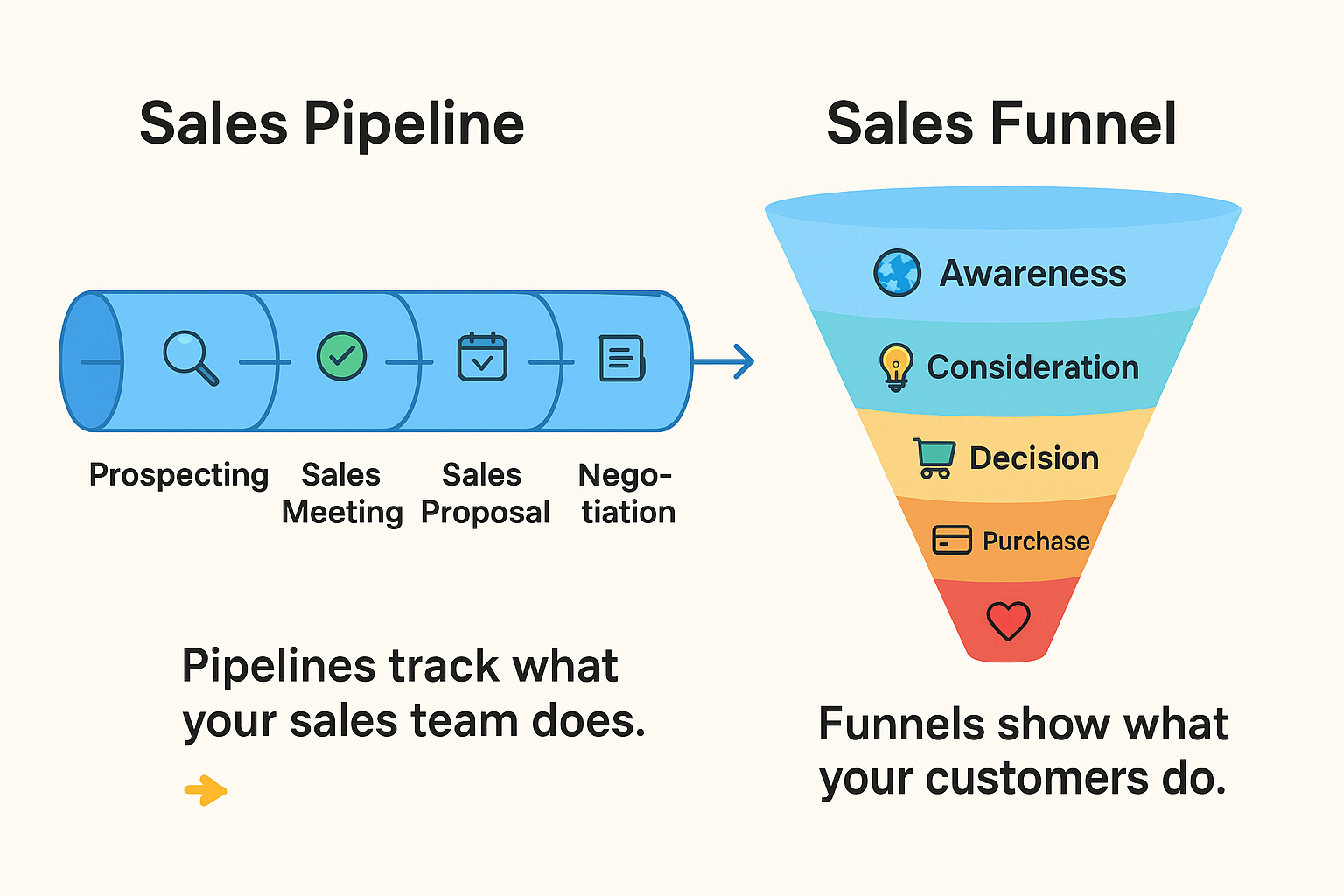
- Sales pipeline vs. sales funnel = actions vs. numbers. The pipeline tracks what sales reps do, while the funnel shows how many potential customers move through the buyer’s journey.
- Using strong sales pipeline management can lead to much higher sales and help you reach your goals.
- Convertri = secret weapon. Its fast-loading pages, flexible editing, and personalization features make your pipeline and funnel perform like never before.
What Is a Sales Pipeline?
A sales pipeline is a sales-focused workflow. It’s a series of stages that sales reps move prospects through on the way to a closed deal. Think of it like a checklist or roadmap for your sales team.
At each pipeline stage, the team performs specific actions (calls, demos, proposals) to push the deal forward. The pipeline is usually structured and linear, with clearly defined steps and exit criteria.
Sales Pipelines Stages
- Lead Generation. Attract potential customers through marketing and outreach. This is often done by both marketing and sales teams via ads, content, social media, etc.
- Lead Qualification. Determine which leads are a good fit (checking budget, needs, decision-maker status). Only qualified leads move on.
- Meeting/Demo. Engage qualified leads in a call or demo to understand their needs and present your solution.
- Proposal. Send a detailed quote or proposal outlining costs, terms, and deliverables.
- Closing. Negotiate any final terms. When both sides agree and sign, the deal is closed won or closed lost if it falls through.
- Retention/Advocacy (Bonus Stage). After closing, focus shifts to onboarding and keeping the customer happy. Although often outside the core pipeline, this “retention” step is critical for long-term revenue.
Each stage is a milestone. When one is complete, the deal advances to the next. With a well-defined pipeline, sales managers can track exactly where each deal stands, spot bottlenecks, and forecast revenue.
Pipeline Metrics & Tracking
Pipelines make it easy to measure key sales metrics. For example:
- Deal count in the pipeline. How many active opportunities are in each stage?
- Average deal size. Typical revenue per deal, helping with forecasting.
- Sales cycle length. Time for a deal to move from first contact to close.
- Win rate. Percentage of deals closed-won vs. started. A high win rate indicates an effective process.
Sales pipeline reports give sales teams visibility into activity and deal progress. Managers can then allocate resources (e.g., additional reps, training) where needed and identify if the process needs tweaking.
Bottomline: A healthy pipeline keeps your sales process organized and predictable.
What Is a Sales Funnel?
A sales funnel is a buyer-focused model that illustrates the customer journey from initial awareness through to purchase (and beyond). It’s a marketing perspective on the same process that the pipeline describes. Instead of tracking sales actions, the funnel tracks how many potential customers enter at the top and how many remain at each subsequent stage.
Classic funnels are drawn wide at the top and narrow at the bottom. Many people become aware of your brand, fewer become interested, and even fewer decide to buy. Hopefully, most of those who buy become repeat customers or advocates.
Sales Funnel Stages
- Awareness. Potential customers discover your product or brand (e.g., via ads, SEO, social media). This is top-of-funnel marketing.
- Interest/Consideration. Leads research and compares options. They might engage with your content, sign up for a webinar, or request more info. Your marketing and sales content should educate and persuade during this mid-funnel phase.
- Decision. The lead is ready to buy and is evaluating offers. Pricing, demos, proposals, and sales calls happen here. In marketing terms, this is bottom-of-funnel.
- Purchase. The prospect makes a purchase. Congratulations, you’ve converted a paying customer.
- Loyalty/Advocacy. After the sale, you nurture the customer. A happy customer can become a repeat buyer or even refer others, effectively feeding the funnel anew.
Funnel metrics help marketing teams refine campaigns. A low conversion from awareness to interest might mean changing your messaging or targeting. Identifying a funnel “leak” lets you optimize that stage (for instance, improving your landing page or call-to-action).
Unlike the pipeline’s linear tracking, the funnel often involves iterative testing. For example, Convertri reports that only 17% of marketers consistently A/B-test landing pages, even though testing headlines and images can boost conversions by 20–30%. That’s a huge gain if you do it right.
Sales Pipeline vs. Sales Funnel: Key Differences
| Feature / Focus | Sales Pipeline | Sales Funnel |
| What it is | A step-by-step outline of sales activities that a sales rep follows to move a prospect toward becoming a paying customer. | A visual representation of the customer journey. It shows how many potential customers progress through the different stages. |
| Focus | Internal actions of sales representatives (what your team does). | External behavior of leads and customers (what potential customers do). |
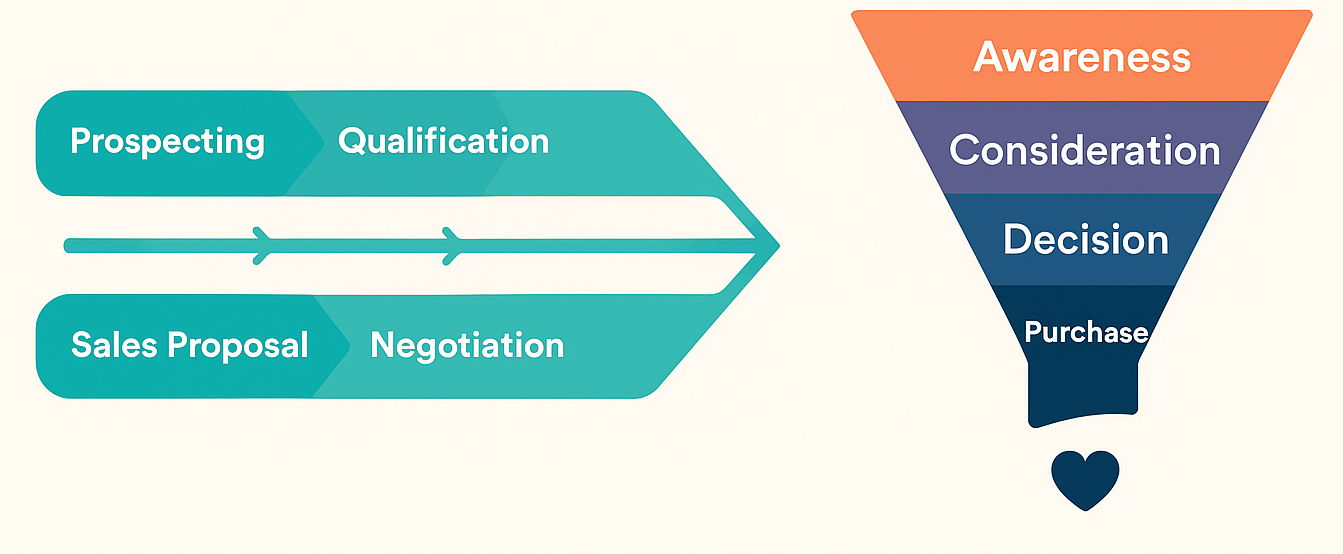
| Stages | Prospecting → Qualification → Sales meeting → Sales proposal → Negotiation → Closing deals. | Awareness stage → Consideration → Decision → Purchase → Customer retention. |
| Measurement | Sales pipeline reports track sales rep performance, pipeline stages, and forecast revenue. | Sales funnel reports track drop-offs, conversion rates, and customer behavior. |
| Main Benefit | Helps sales teams organize deals, streamline the entire sales process, and improve sales targets. | Improves lead generation, boosts qualified leads, and aligns marketing and sales strategies. |
| Who uses it most | Sales leaders, sales managers, and sales representatives. | Marketing teams, decision makers, & sales and marketing teams together. |
| Best For | Managing daily sales activities, tracking next stage progress, and predicting sales cycle length. | Understanding customer data, optimizing the lead’s journey, and improving marketing efforts. |
Which Model Does Your Business Need?
The choice depends on your business model and goals. Here are some guidelines:
High-Value, Complex Sales (B2B, Long Sales Cycle)
Use a sales pipeline.
For example, enterprise software or real estate deals often involve multiple demos, proposals, and negotiations. A pipeline helps you manage those steps and forecast revenue. When deals take weeks or months, a pipeline’s detailed visibility is essential.
Volume Lead Generation (B2C, Shorter Cycle)
Focus on a sales funnel.
Online courses or subscription services often rely on marketing to attract many leads and convert them quickly. In those cases, optimizing the funnel (ads → landing page → checkout) is key.
If your conversion rate from interest to purchase is lagging, a funnel perspective will surface that, so you can A/B test landing pages or refine targeting. For shorter, simpler sales, the funnel view is more intuitive.
Mixed or Growing Businesses
Often, the best approach is both.
Marketing can drive a funnel at the top (lead gen, brand awareness), and sales can work a pipeline at the bottom (deal management).
In fact, many experts recommend integrating pipeline and funnel data. For example, you might use funnel analytics to feed high-quality leads into your pipeline. Conversely, pipeline data (like frequent deal drop-off points) can inform your marketing efforts.
Visual Graphic: Pipeline vs. Funnel Diagram
Tips to Bridge the Pipeline and Funnel
- Align sales & marketing. Ensure marketing and sales teams use data from both models. For example, marketing can use pipeline reports to know what kinds of leads convert best, and sales can use funnel metrics to understand where prospects are getting stuck.
- Optimize continuously. Use funnel drop-off data to tweak your pipeline stages. If many leads drop out before a sales meeting, the qualification criteria may need to be adjusted. Likewise, if pipeline data shows lost deals, marketing can refine messaging in that funnel stage.
- Use technology. Most CRMs and automation tools support both views. You can track leads in a funnel in your marketing platform, and then have them flow into a CRM pipeline. The combined insights (sometimes called pipeline marketing) give you a 360° view of your sales process.
Experience how Convertri can simplify your funnel and pipeline today.
Why Sales Pipeline Management is Your Best Friend
Your sales pipeline outlines each step, like:
- Prospecting and generating new leads
- Qualifying prospects into qualified leads
- Sending a sales proposal
- Scheduling a sales meeting
- Negotiating and closing deals
This structure ensures sales teams stay focused, sales leaders can track deal progress, and sales managers forecast revenue with confidence.
According to the Harvard Business Review, B2B companies with a clearly defined sales process achieve 18% higher revenue growth than those without one. That’s a big win, and it shows why pipeline management is so valuable.
How Sales Funnel Optimization Brings More Customers
The sales funnel represents how your marketing and sales teams work together to guide prospects through the buyer’s journey. By studying conversion rates at each stage, you’ll know where potential customers drop off.
That’s when you can:
- Tweak your marketing efforts
- Improve lead nurturing campaigns
- Personalize the lead’s journey
- Align marketing and sales strategies
Companies that optimize their funnels see a 67% boost in qualified leads, which means less time wasted and more paying customers.
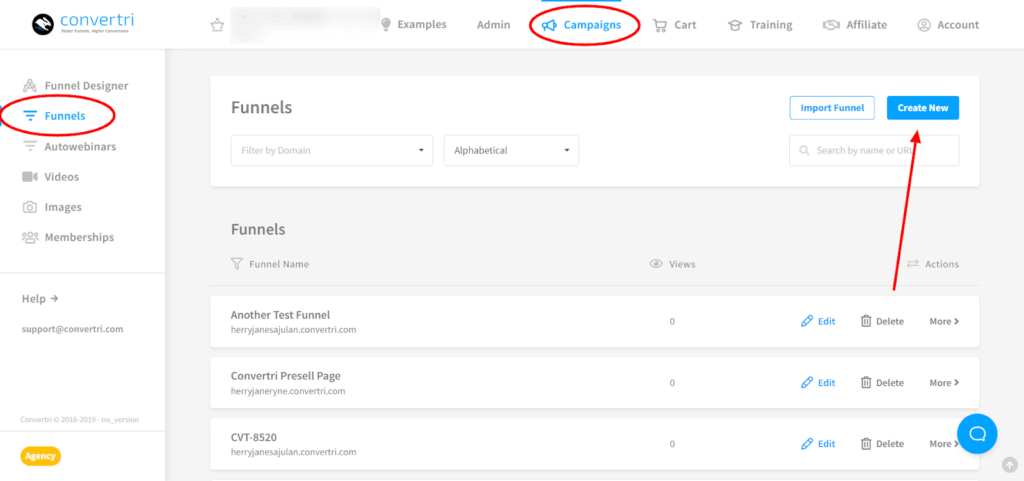
Building High-Converting Funnels with Convertri
Whatever model you use, great tools make a difference. If you decide to double down on funnels or landing pages to feed your pipeline, try Convertri.
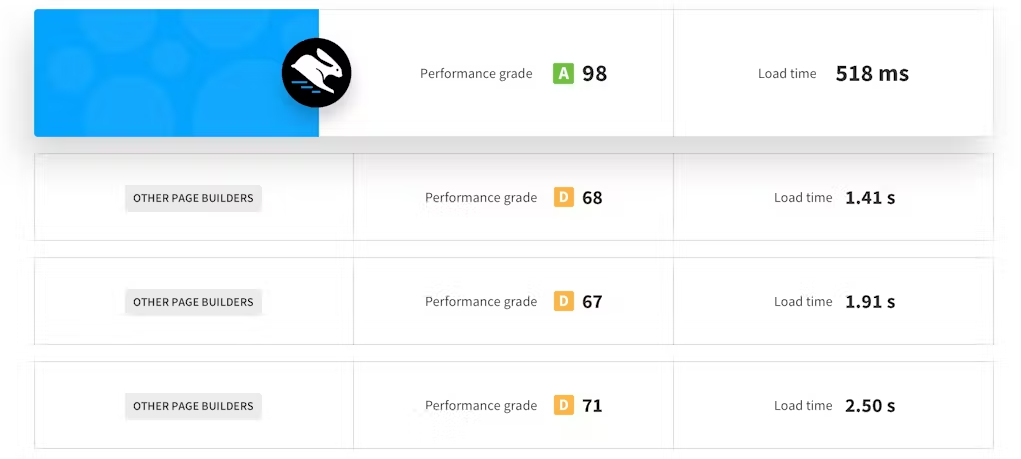
Convertri is a drag-and-drop landing page and funnel builder designed for speed and ease. It offers a free-form editor (no rigid templates) and ultra-fast page loads. Why does that matter? Because speed directly impacts conversions: Convertri’s data shows that just a 1-second delay can cut mobile conversions by ~20%, and a 3-second load time spikes bounce rates to over 50%. With Convertri, your pages load blazingly fast to keep leads moving down the funnel.
Key Convertri features for digital marketers include:
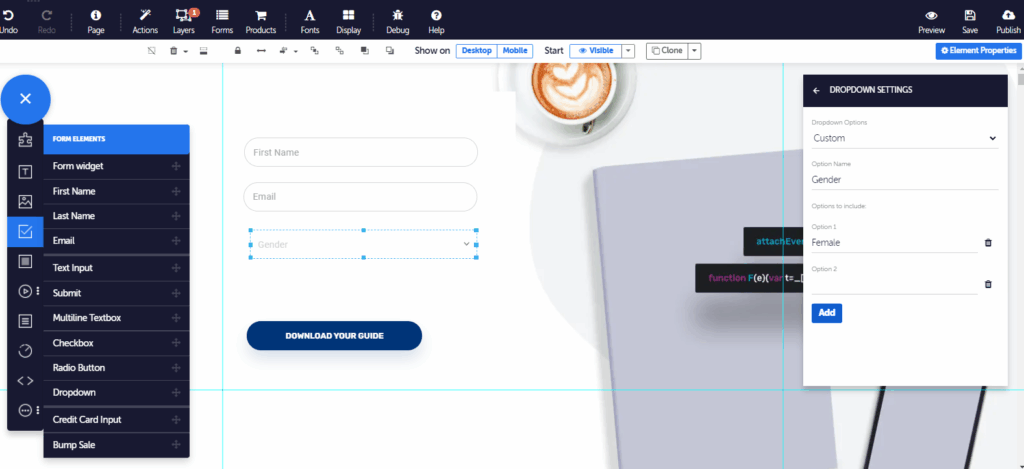
Free-Form Drag & Drop. Move any element anywhere on the page. No coding or fixed layouts.
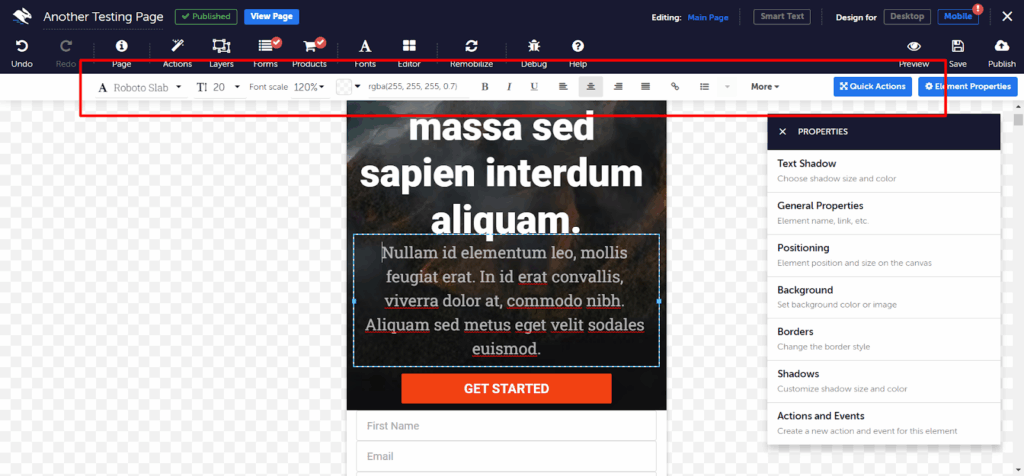
Mobile Optimization. Automatic and custom mobile layouts will make your funnel look great on phones.
Instant Page Speed. Convertri is known for record load times, keeping visitors engaged.
Built-in A/B Testing. Split test headlines, images, or entire pages to boost your funnel’s conversion rate.
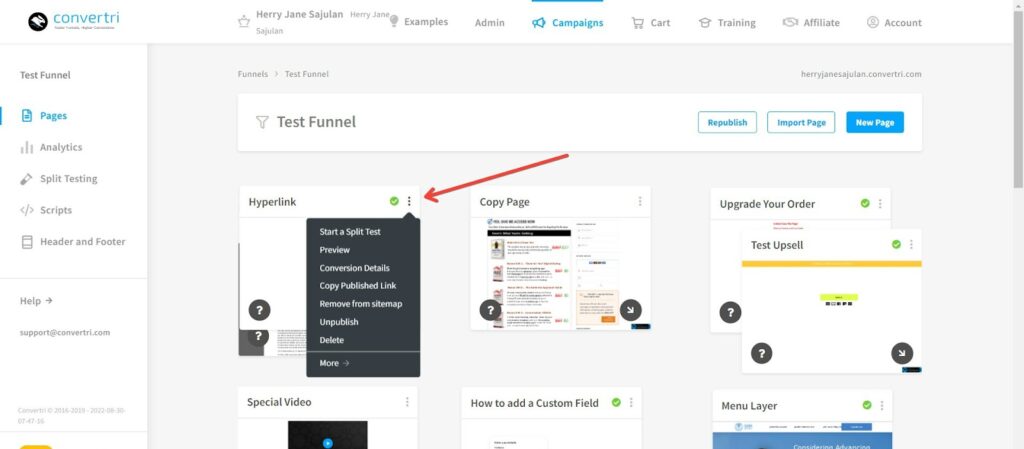
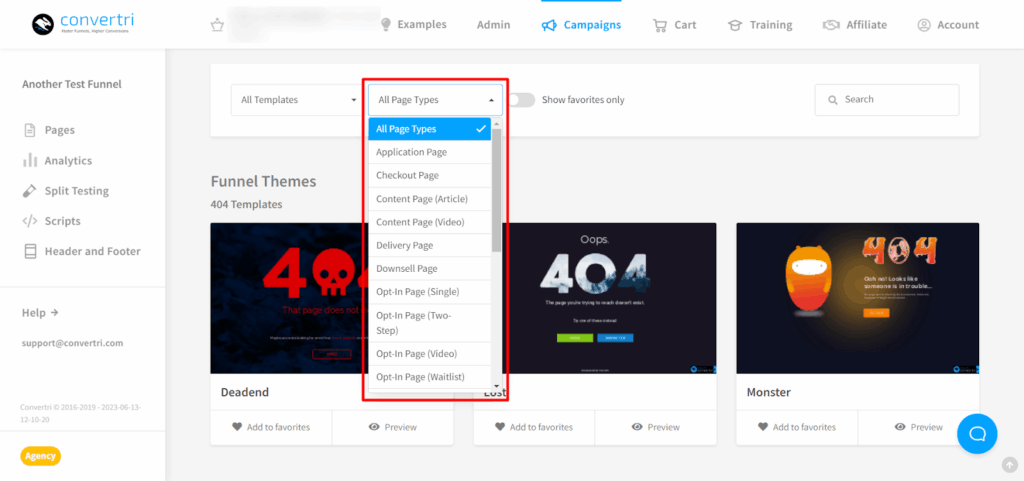
Ready-Made Templates & Blocks. Over 400 landing page templates and content blocks (forms, testimonials, headers, etc.) to launch pages quickly.
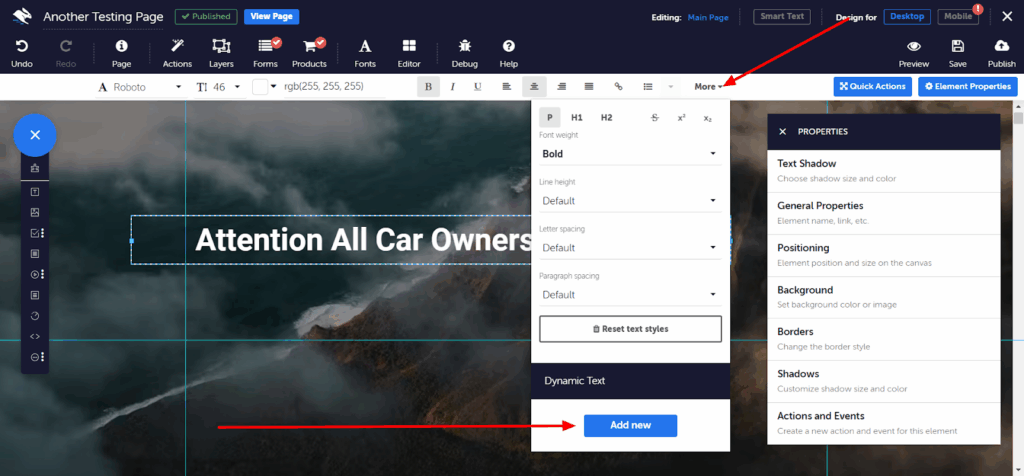
Dynamic Text Replacement. Automatically tailor page copy to the visitor’s ad or keyword, increasing relevance and conversions.
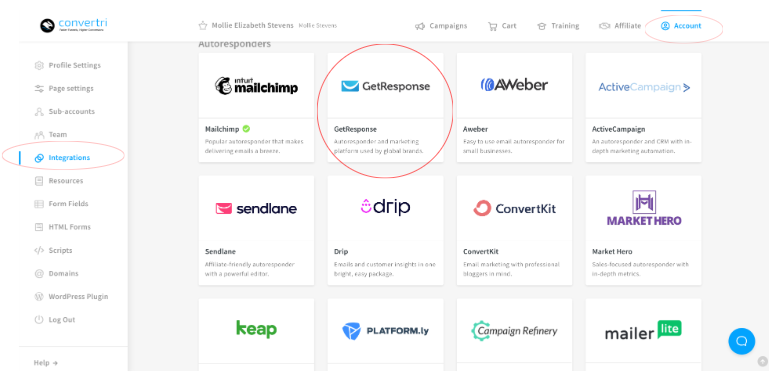
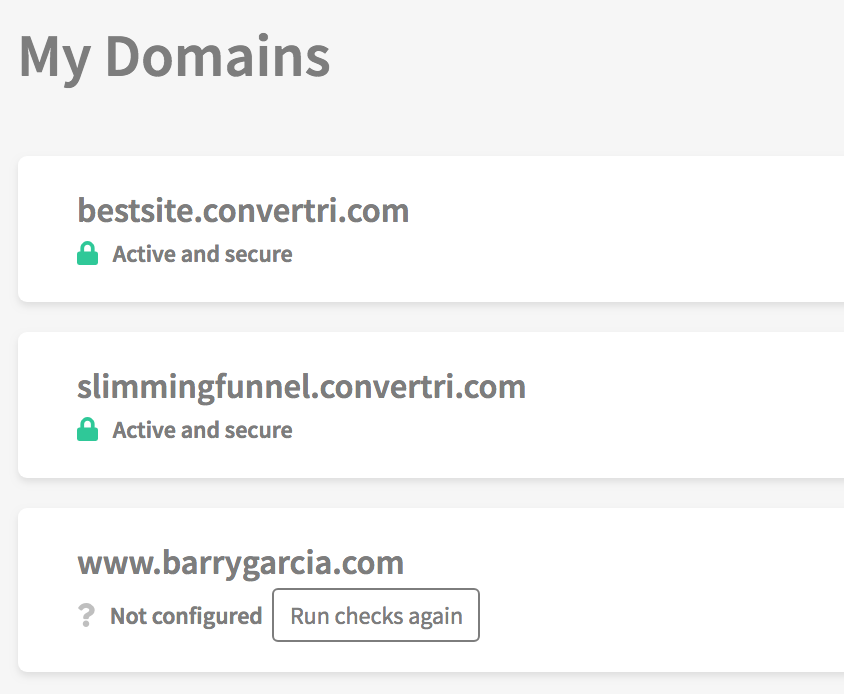
Integrations & Hosting. Works with your email, CRM, and payment tools. Comes with free SSL, hosting, and even a page importer to quickly copy existing pages into Convertri.
Convertri is built with funnel builders in mind. It even offers a risk-free trial on all plans, so you can build and publish pages without entering payment info. Thousands of marketers use Convertri to collect leads and make sales. You can try it for free and see how fast pages can boost your funnel conversions.
Get started at Convertri and watch your next funnel take off.
FAQs
Q: What’s the main difference between a sales pipeline and a sales funnel?
A: A sales pipeline focuses on what your team does; the sales funnel represents how potential customers move through the customer journey.
Q: How does a sales pipeline help sales teams?
A: It helps sales teams track progress, organize sales activities, and improve sales rep performance across all sales pipeline stages.
Q: How does a sales funnel help marketing and sales teams?
A: It highlights weak spots, aligns marketing and sales strategies, and boosts lead generation for better customer retention.
Q: Should my business use both a sales pipeline and a sales funnel?
A: Yes, using both a sales pipeline and a funnel gives sales leaders a full view of performance, leading to faster growth and higher customer satisfaction.
Q: How does Convertri help?
A: Convertri builds fast, customizable funnels that improve leads’ journey, conversion rates, and ultimately boost revenue generated.
Parting Thoughts
With a clear understanding of sales pipeline vs. sales funnel, you can tailor your strategy and tools to fit your needs. Whether you focus on pipeline stages or funnel conversions (or both), the goal is the same: move potential customers smoothly from first contact to loyal fan.
Use the insights above to optimize your sales process, and give Convertri a try to accelerate those conversions. Good luck scaling your business.